Automotive Addicts |

- 2011 Saab 9-5 Turbo4 Premium Review & Test Drive
- More Mustang Coming For 2013
- It’s The Economy Stupid: Reseach Shows Chevy Volt Interest Waning
| 2011 Saab 9-5 Turbo4 Premium Review & Test Drive Posted: 18 Aug 2011 06:00 AM PDT
The automaker Saab has yet to throw in the towel as they reinvent themselves with the redesign of the all-new 2011 Saab 9-5 midsized luxury sports sedan. With an impressive design that keeps the Saab lineage alive, the 9-5 strives to deliver a unique style in a fun to drive package. The all-new 2011 Saab 9-5 comes in 4 different trim levels, the Turbo4, Turbo4 Premium, Turbo6 and the Aero. The new Saab 9-5 shares its Opel Insignia platform with the Buick Regal as well as the 2.0-liter turbocharged 4-cylinder engine for the Turbo4 variants found in 2011 Buick Regal Turbo. Power delivery from the 2.0-liter turbo powermill makes the 9-5 feel sprightly at times but power output is somewhat inconsistent. The sporty European ride from the new Saab 9-5 aids in its performance ability giving the driver plenty of handling assurance without compromising over-all ride comfort. The Turbo6 and Aero Saab 9-5 trim levels share a 2.8-liter turbocharged V6 engine which was once available in the new Cadillac SRX SUV. The new Saab 9-5 turbo 4 and V6 engines are mated to a six-speed automatic transmission that provides smooth shifts without any abnormal hunting-for-gears behavior. A six-speed manual is standard equipment only on the Turbo 4-cylinder engine models motivated to appease the enthusiast hearted consumer. The design aspects of the new Saab 9-5 set it off from the rest of crowd with its blacked-out A-pillars and flat-tapered roofline. The trademark Saab grill and airplane inspired interior vents inherit Saab's heritage well. Although the long Swedish lineage must embed itself in several of GM's mixed bag of parts from the bin of non-luxury vehicles, the outcome works well together. You will find customary GM parts on the Saab 9-5 mainly throughout the dashboard and door trim such as the infotainment systems integrated into the center LCD touch-screen, steering wheel controls and various dashboard buttons. There is no doubt that the new Saab 9-5 has injected a new form of life into the nameplate. The new 9-5 is packed full of technology and European elegance. My 9-5 Turbo4 Premium model was equipped with a lane departure system that alerts the driver audibly when it detects the vehicle drifting out of its current lane. A small camera mounted at the top of the windshield follows the painted lines in the road to determine the vehicles lane positioning. The optional hard-drive GPS navigation system is very user-friendly as it is virtually identical to ones found in other similarly equipped GM vehicles. The night panel, a feature specific to Saab, is an eccentric option that darkens most of the dashboard lighting giving the driver a peaceful view of the HUD (heads up display), speedometer and the road ahead at night. The new 2011 Saab 9-5 has comfortable seating for 5 adults although head room in the rear can be a bit cramped and almost impossible for 6-footers. I will admit, getting a comfortable seating position in the front took a while. The front seats are not as plush as some other vehicles in the 9-5's segment such as the Infiniti G37 or even the BMW 5 Series but instead contour more to your body. The trunk is surprisingly large with a total of 18.2 cubic feet providing enough room for a couple golf bags and a decent sized travel bag. The sport-tuned suspension gives the 9-5 an edgy ride that is somewhat more forgiving than other vehicles in its class. At times on the highway the 9-5 tends to be bouncy from the initial firm rebound on the shocks. A slight bit of torque steer is experienced at times when the torque peaks just after a faint whisper of the turbo spooling up. The optional all-wheel-drive system on the Turbo6 and Aero models would provide a better balance for the 9-5's power delivery than my front-wheel-drive Turbo4 Premium test vehicle. However, the 9-5 is still a surprisingly capable mid-sized luxury sports sedan when performance is demanded. EPA gas mileage estimates for the new 2011 Saab 9-5 Turbo4 models equipped with automatic transmissions comes in at 18mpg city and 28mpg highway, Mind you, a 6-speed manual transmission is standard equipment on the new 9-5 Turbo4 trim models raising the EPA figures to an astonishing 20mpg city and 33mpg highway. With Saab being one of the few auto makers to offer a manual transmission in a midsized luxury sports sedan says that they are not afraid to cater to the conservative driver and the enthusiast. Lately, Saab has had an interesting road to travel to say the least. Despite those factors, the new 2011 Saab 9-5 injects some new life into the brand and remains to be a viable competitor in the midsized luxury car segment for consumers looking for original styling that stands out from the rest of the crowd. My 2011 Saab 9-5 Turbo4 Premium test vehicle has an as-tested price of $50,140 and a base starting price of $38,525. 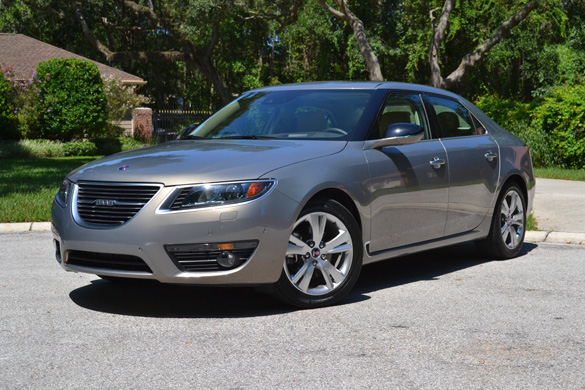 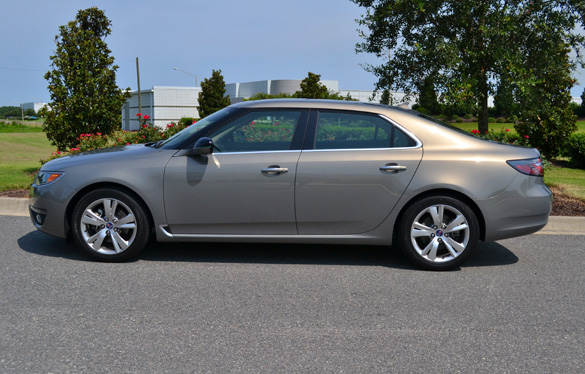 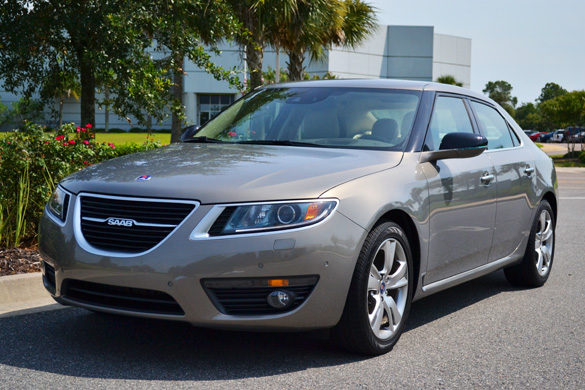 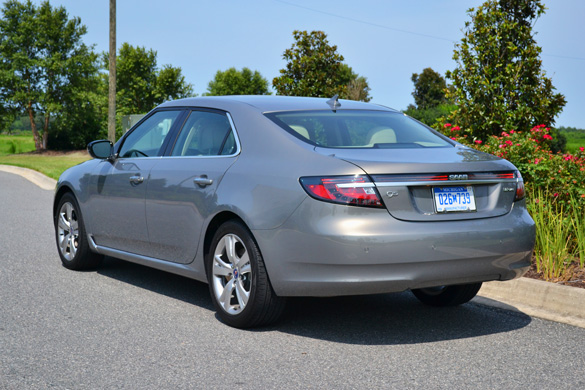 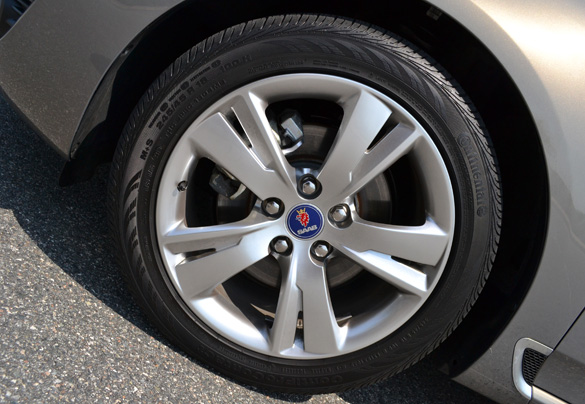 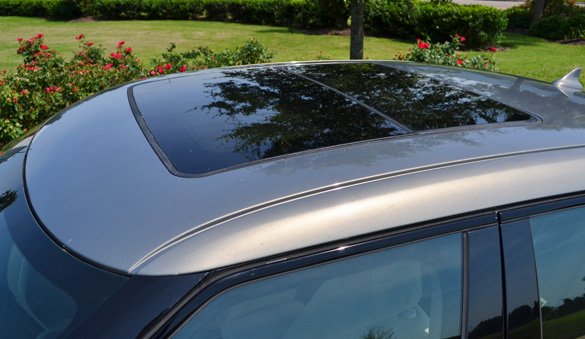 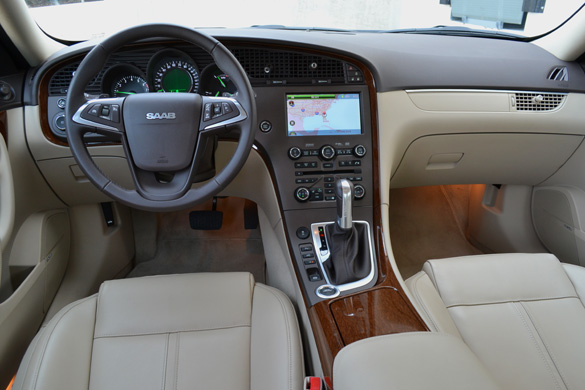 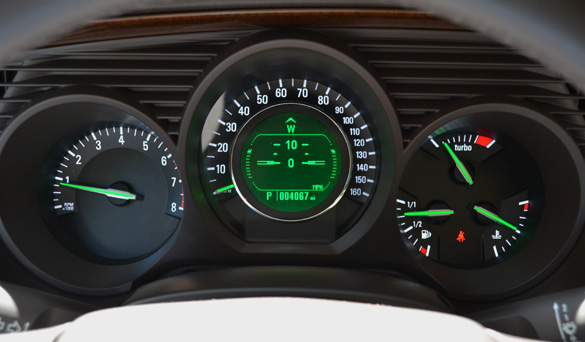 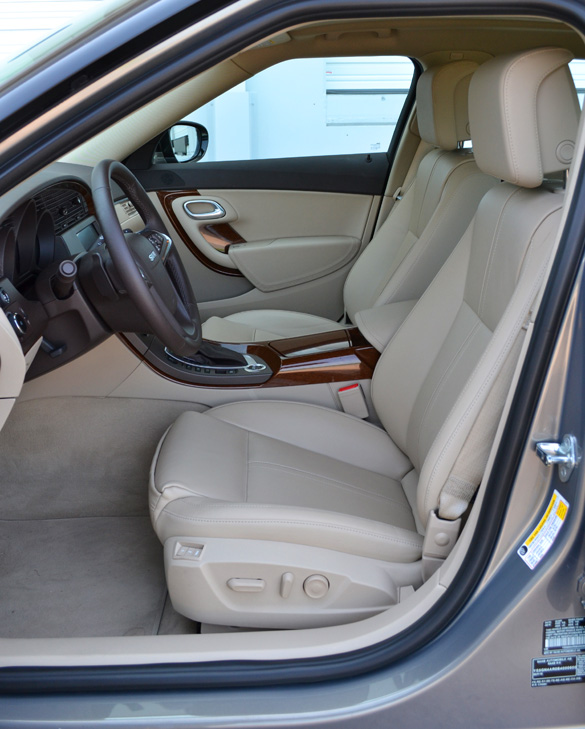 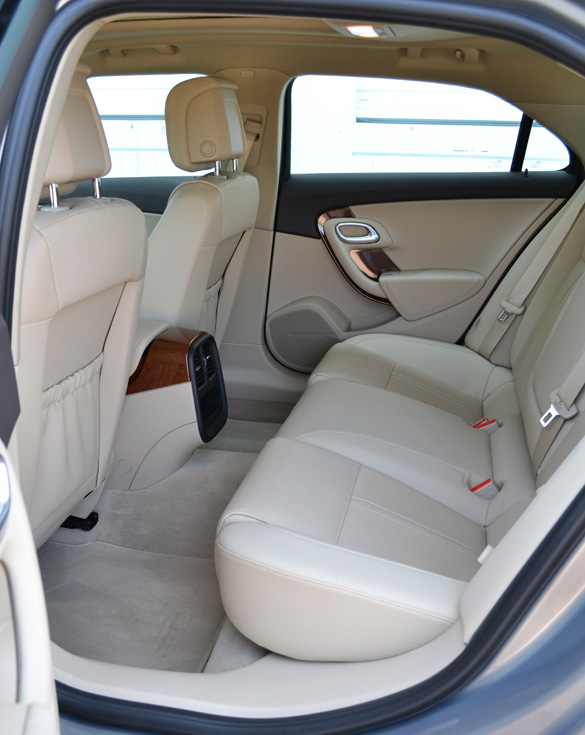 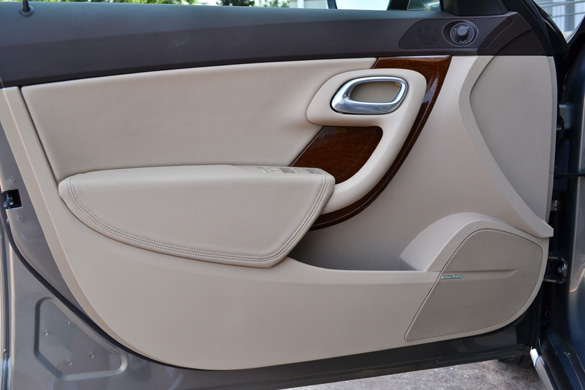  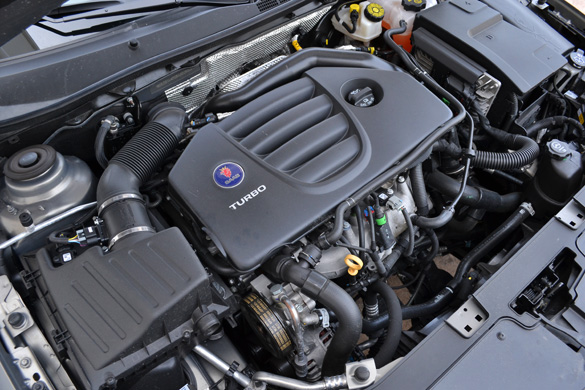 Copyright: 2011 AutomotiveAddicts.com SPECIFICATIONSPrice: Base 9-5 Turbo4 MSRP $38,525 As-Tested Turbo4 Premium $50,140
  |
| Posted: 17 Aug 2011 06:58 AM PDT
 For 2013, expect styling similar to the 2012 Shelby GT500. Image: Ford Motor Company It's no secret that Ford is planning something big for the Mustang's 50th anniversary in 2015, but the automaker still needs to sell cars to consumers between now and then. The current design was facelifted in 2010, and the Mustang received new engines in 2011. As good as the new V-6 and V-8 are, expecting the Mustang to soldier on for four years with no changes is asking a bit much. The trick for Ford, then, is making the 2013 and 2014 Mustangs better, without diluting interest in the upcoming 2015 Mustang. If sources are correct, it looks like the Mustang will see subtle but significant changes for 2013. Expect to see a more prominent grille, similar to the one used on the Shelby GT500, and expect the 2013 Mustang to use LEDs around the headlights. The angled taillights that debuted in 2010 will be binned, replaced by flush taillights more along the lines of the original 2005 design. The best news? The Mustang is rumored to be getting more power, in both V-6 and V-8 trims. How much isn't clear, but we wouldn't expect to see a major jump from today's 305 horsepower (V-6) and 412 horsepower (V-8). On the other hand, the new Camaro gets 323 horsepower from its V-6 and 426 horsepower from its V-8, so Ford will surely look to narrow (or close) that gap. Look for the 2013 Mustang to debut as a concept at this year's Los Angeles Auto Show, with sales starting early next year. Source: Mustangs Daily via MotorAuthority  |
| It’s The Economy Stupid: Reseach Shows Chevy Volt Interest Waning Posted: 17 Aug 2011 06:26 AM PDT
 The 2011 Chevy Volt. Image: © GM Corp. CNW Marketing Research recently conducted a study into consumer interest towards the 2011 Chevrolet Volt. Their findings? Interest among both "early adopters" of technology and the general car-buying public is dropping. In March, some 21 percent of the early-adopter group expressed interest in the Chevy Volt, but by July that figure had dropped to just 14.6 percent. Worse, interest from those who consider themselves "EV enthusiasts" dropped from 25 percent in March to 17 percent in July. Across the board, less people are considering a Volt today than earlier in the year, and GM needs to figure out why, quickly. As we see it, there are several factors in play here. First, the economy today isn't any better than it was in March, and many of us feel it's even worse. It's tough to part with $40k for a four-seat sedan, especially when you're worried about job stability or even putting food on the table. That leads us to point number 2: the Volt is a great car, and we understand why it costs as much as it does, but the average consumer does not. Many see it as competing with the Chevy Cruze, which is half the price and still gets highway fuel economy near 40 mpg. GM has two choices: they can either up the content of the Volt without raising the price (and lose more money on each car sold), or they can ramp up marketing to make the public more aware of what the Volt is (and isn't). And therein lies the problem: the Volt has become to most politicized car in the history of the auto industry. The far right hates it because it comes from Government Motors and is "just another hybrid" (which it isn't, but why let facts stand in the way of good rhetoric). The far left hates it because it uses gasoline, not just "clean" electric power (which, ironically, is usually generated by burning some sort of fossil fuel). No matter how good the Volt is, neither side would be satisfied unless it got 1,000 miles per charge, 200 mpg when running on the generator and cost $10,000. Even then, the lunatic fringe would find fault with something. Is the Volt perfect? No, and we'll be the first to admit that it's an ideal fit for a very narrow range of buyers. That doesn't mean it's not a good fit for a much broader audience, but most of those potential buyers don't understand the difference between a Volt, a Nissan Leaf and a Toyota Prius. GM can't fix the economy (and we're beginning to wonder if anyone can), but they can and must make the public more aware of the Volt. It's about to launch from coast to coast, and unless GM does something to ramp up interest, sales aren't going to increase substantially as the number of retail outlets goes up. Source: egmCarTech  |
| You are subscribed to email updates from Automotive Addicts To stop receiving these emails, you may unsubscribe now. | Email delivery powered by Google |
| Google Inc., 20 West Kinzie, Chicago IL USA 60610 | |


No comments:
Post a Comment